✨ New Arrivals Just Dropped!Explore

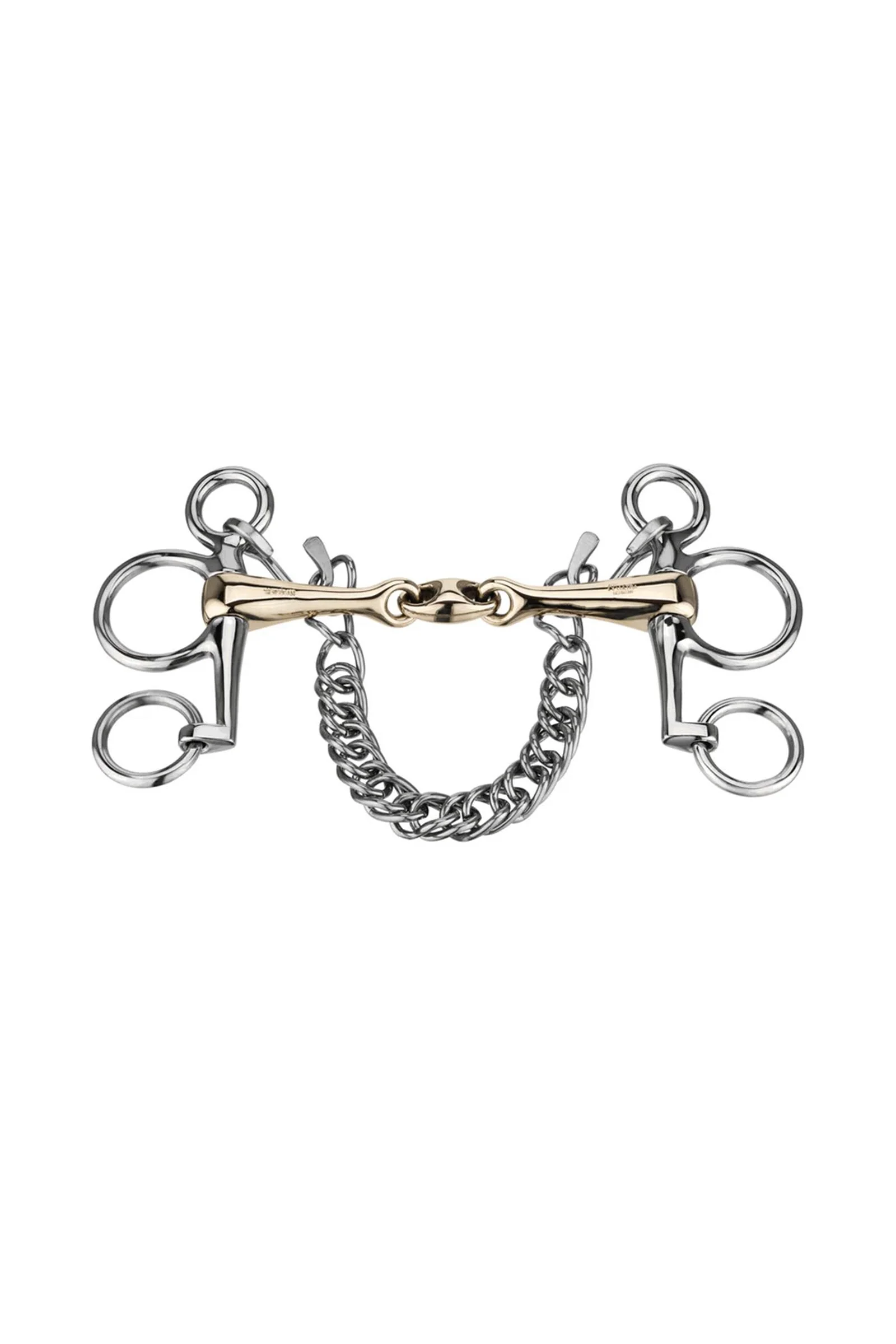
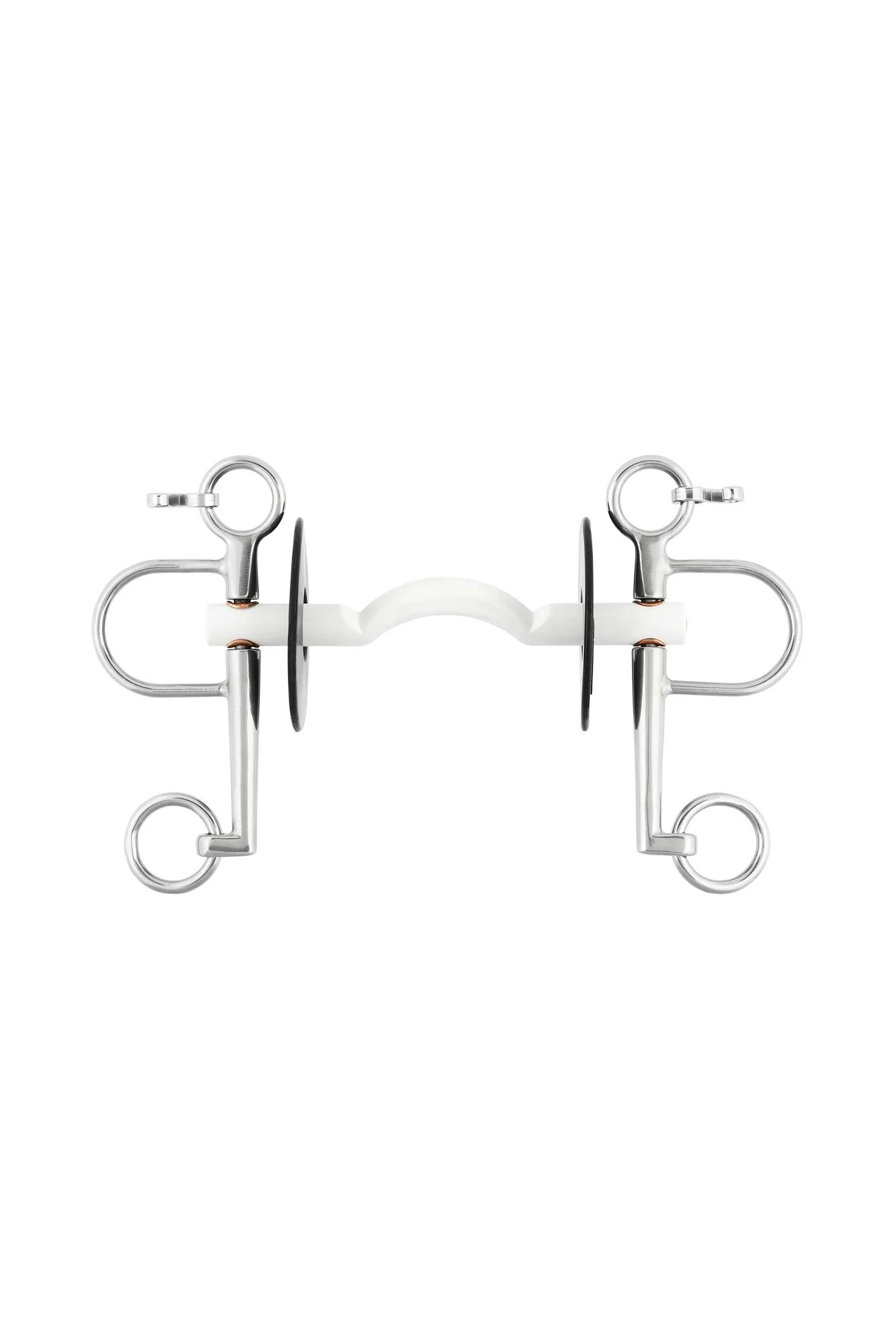
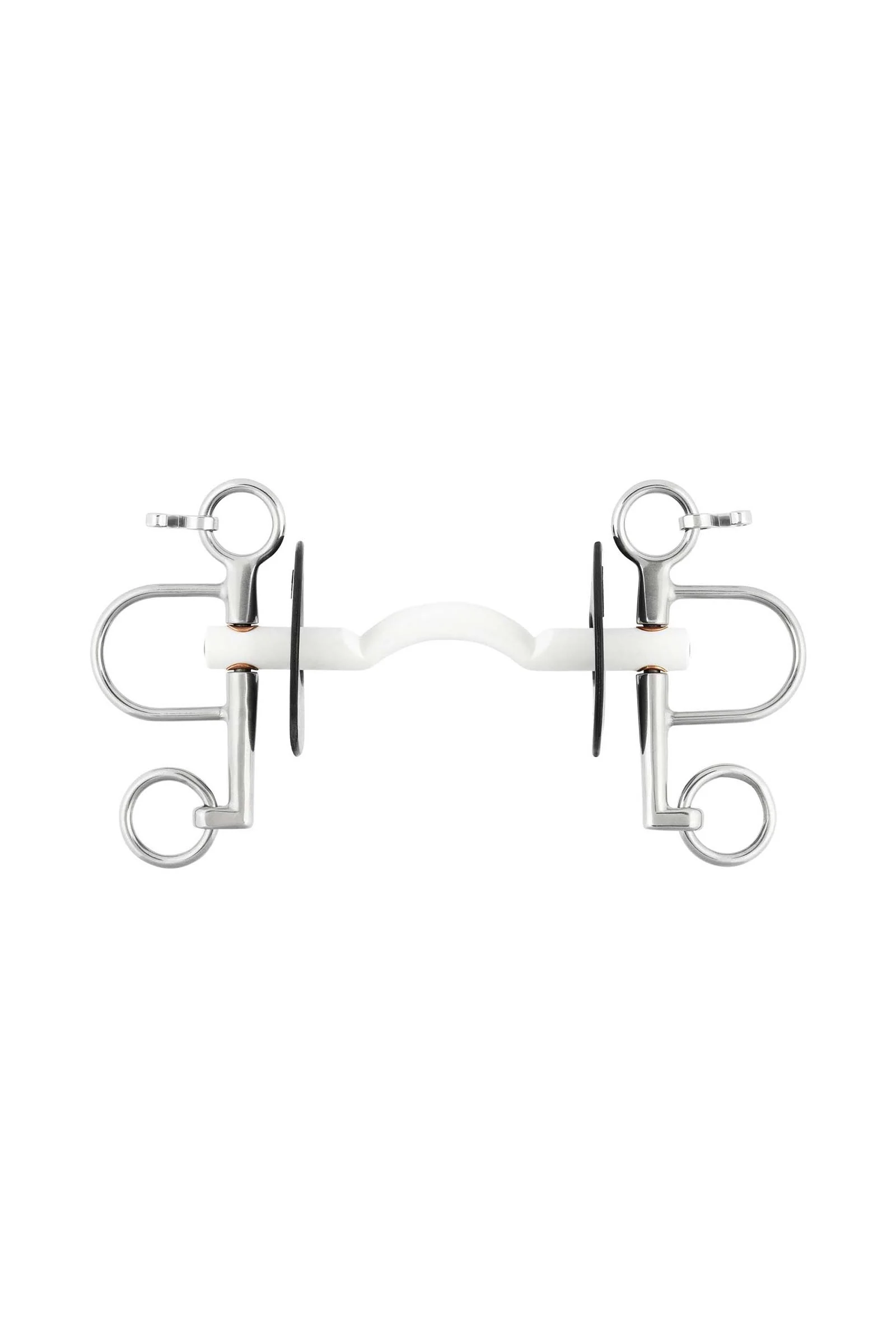
KK Ultra Pelham Bit, Double Jt. 16mm, 4.5cm Cheeks, Sensogan Metall 115 mm
KK ULTRA bits are the pioneers of modern bits because they have been developed on the basis of scientific research. They achieve their unique, precise effect through the special 45° angle of the middle link. When used correctly, the horse’s confidence in the rider’s hand is enhanced, which is why these bits are used successfully worldwide in all disciplines and across all training levels – a genuine all-round talent!
Compared to conventional bits, the middle link has also been shortened. This anatomical adaptation noticeably optimizes the effect compared to conventional double jointed bits.
When the reins are taken up, the middle link – also known as the “lozenge” because of its striking shape – gently rolls over the central part of the horse’s tongue, stimulating its sense of touch.
This Pelham provides targeted and effective support, acting on the full width of the tongue, neck and lower jaw. The leverage on the neck can be varied according to the rein set up. This allows you to respond to your horse's individual needs.
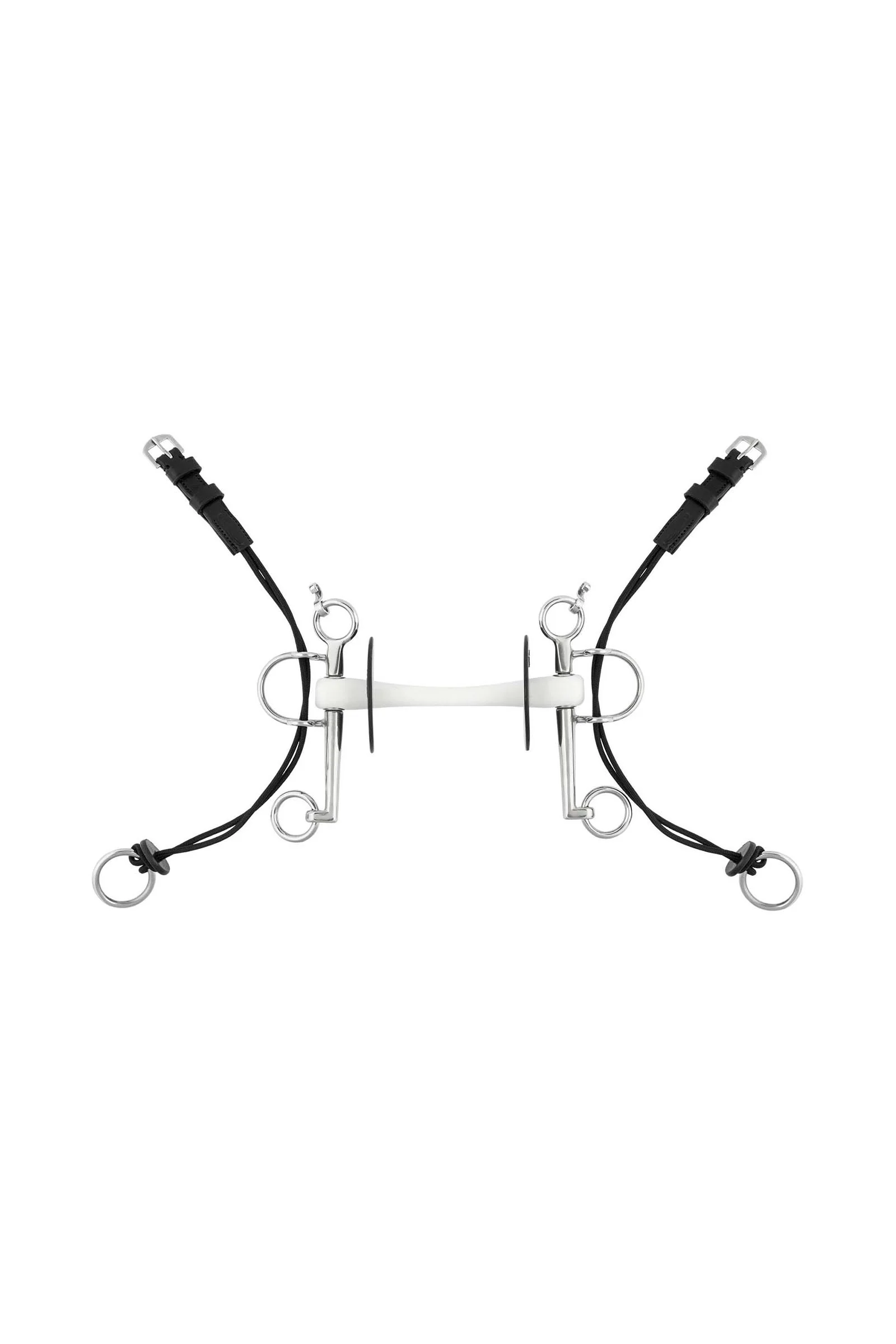
The bit is often used in combination with pelham converters. If the rider and horse are more advanced, it is recommended to use two pairs of reins: This allows the leverage to be used as sensitively as possible. The pelham is used in combination with a curb chain. If positioned to allow an angle of up to 45° between the lower rein and the mouthpiece, it will limit the pressure on the neck in a sensible way.
Compared to conventional bits, the middle link has also been shortened. This anatomical adaptation noticeably optimizes the effect compared to conventional double jointed bits.
When the reins are taken up, the middle link – also known as the “lozenge” because of its striking shape – gently rolls over the central part of the horse’s tongue, stimulating its sense of touch.
This Pelham provides targeted and effective support, acting on the full width of the tongue, neck and lower jaw. The leverage on the neck can be varied according to the rein set up. This allows you to respond to your horse's individual needs.
The bit is often used in combination with pelham converters. If the rider and horse are more advanced, it is recommended to use two pairs of reins: This allows the leverage to be used as sensitively as possible. The pelham is used in combination with a curb chain. If positioned to allow an angle of up to 45° between the lower rein and the mouthpiece, it will limit the pressure on the neck in a sensible way.
$257.17
KK Ultra Pelham Bit, Double Jt. 16mm, 4.5cm Cheeks, Sensogan Metall 115 mm—
$257.17
Product Information
Product Information
Shipping & Returns
Shipping & Returns
Description
KK ULTRA bits are the pioneers of modern bits because they have been developed on the basis of scientific research. They achieve their unique, precise effect through the special 45° angle of the middle link. When used correctly, the horse’s confidence in the rider’s hand is enhanced, which is why these bits are used successfully worldwide in all disciplines and across all training levels – a genuine all-round talent!
Compared to conventional bits, the middle link has also been shortened. This anatomical adaptation noticeably optimizes the effect compared to conventional double jointed bits.
When the reins are taken up, the middle link – also known as the “lozenge” because of its striking shape – gently rolls over the central part of the horse’s tongue, stimulating its sense of touch.
This Pelham provides targeted and effective support, acting on the full width of the tongue, neck and lower jaw. The leverage on the neck can be varied according to the rein set up. This allows you to respond to your horse's individual needs.
The bit is often used in combination with pelham converters. If the rider and horse are more advanced, it is recommended to use two pairs of reins: This allows the leverage to be used as sensitively as possible. The pelham is used in combination with a curb chain. If positioned to allow an angle of up to 45° between the lower rein and the mouthpiece, it will limit the pressure on the neck in a sensible way.
Compared to conventional bits, the middle link has also been shortened. This anatomical adaptation noticeably optimizes the effect compared to conventional double jointed bits.
When the reins are taken up, the middle link – also known as the “lozenge” because of its striking shape – gently rolls over the central part of the horse’s tongue, stimulating its sense of touch.
This Pelham provides targeted and effective support, acting on the full width of the tongue, neck and lower jaw. The leverage on the neck can be varied according to the rein set up. This allows you to respond to your horse's individual needs.
The bit is often used in combination with pelham converters. If the rider and horse are more advanced, it is recommended to use two pairs of reins: This allows the leverage to be used as sensitively as possible. The pelham is used in combination with a curb chain. If positioned to allow an angle of up to 45° between the lower rein and the mouthpiece, it will limit the pressure on the neck in a sensible way.